
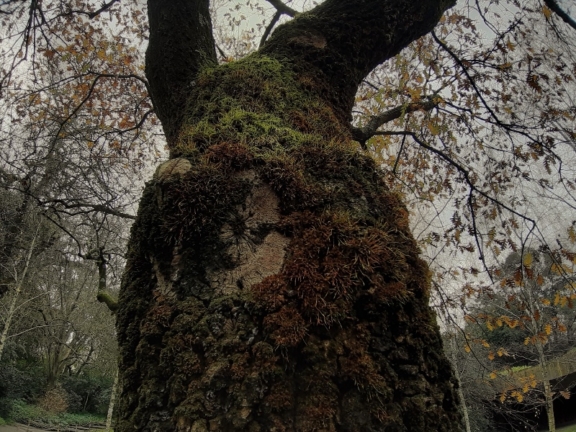
Five species of mosses and lichens to look for in January and February
These microscopic beings help to assess the quality of the air. Take the challenge and look out for these five species of lichens and mosses, identified with the help of experts.
These microscopic beings help to assess the quality of the air. Take the challenge and look out for these five species of lichens and mosses, identified with the help of experts.
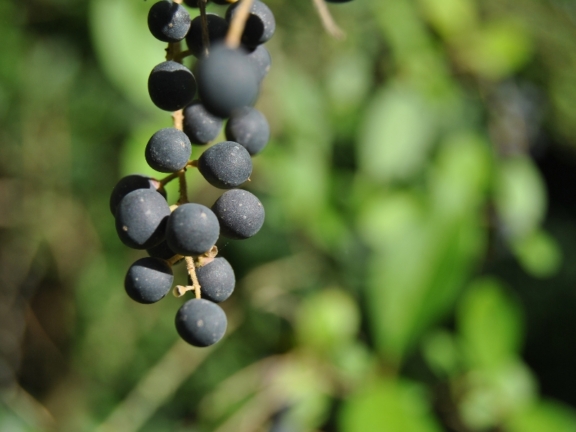
At this time of year, the fleshy fruits, which serve as food for the birds in the Garden, become more visible. Here are seven suggestions of plants we challenge you to look for.
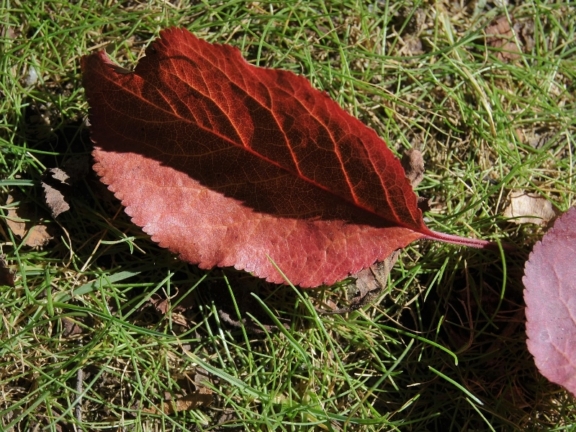
As you walk through this garden, be aware of the colours and shapes of the fallen leaves on the ground. Can you identify which trees they belong to?
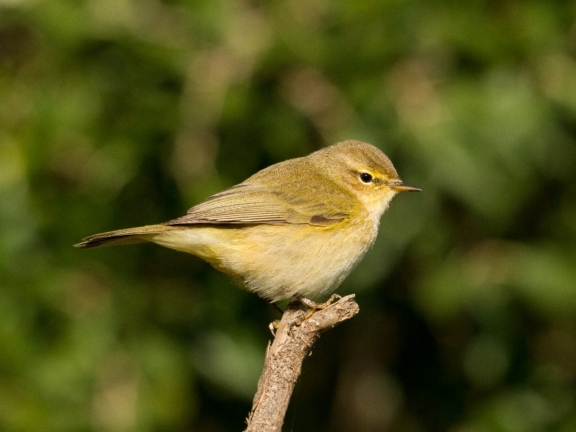
Watch the acrobatics and hunting strategies of these tiny birds as they look for seeds and insects. These six species will certainly make a stroll through the Garden even more enjoyable.
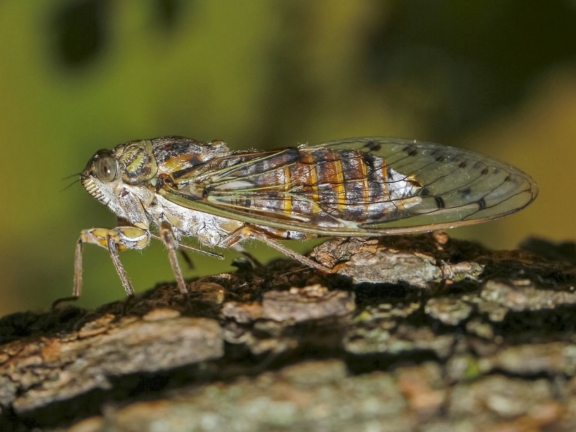
In summer, discover juvenile birds learning to be independent, male cicadas attracting females, or bats hunting for insects in the late afternoon.
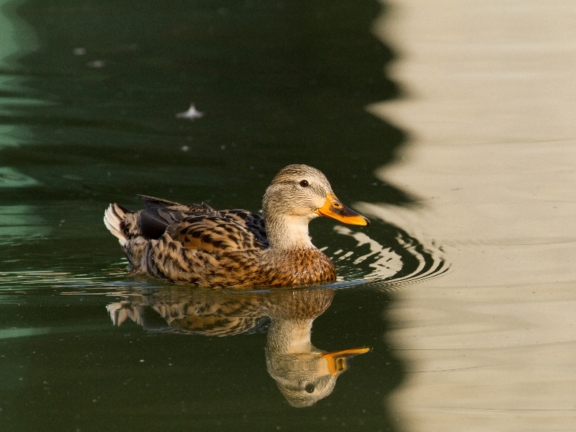
Take advantage of the warm days to try to find these six species that we propose during a walk through this garden or in other natural areas throughout Portugal.
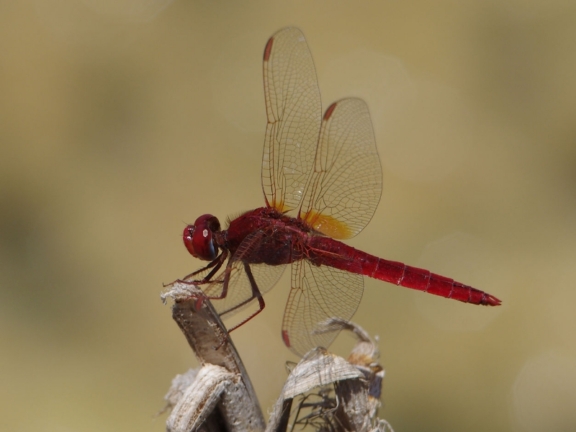
42 species of dragonflies and 23 species of damselflies are known in Portugal. Here are four species to look out for at this time of year.
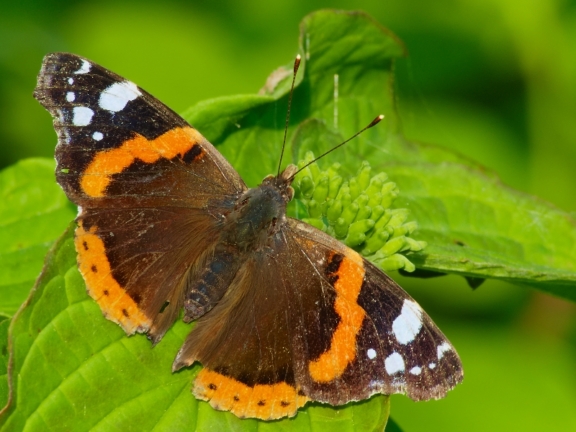
Here are five butterfly species to try to discover over the next few weeks. How many of these can you find?
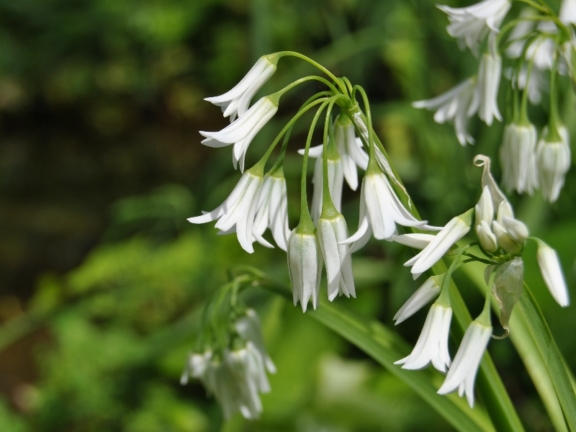
More than 200 of the nearly 400,000 plant species known throughout the world are to be found in the Gulbenkian Garden.
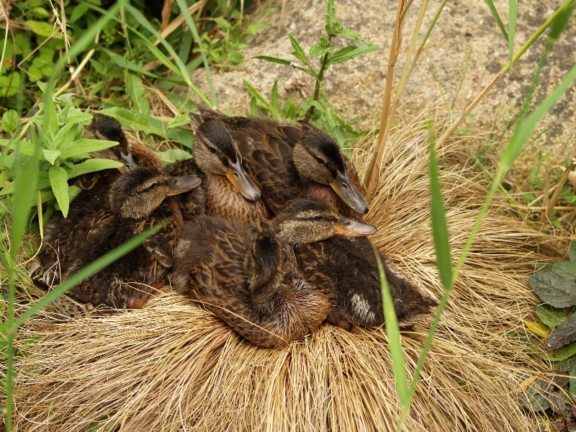
In Spring the world of birds is a busy and bustling place. Here are five species that you can look for at this time of year.
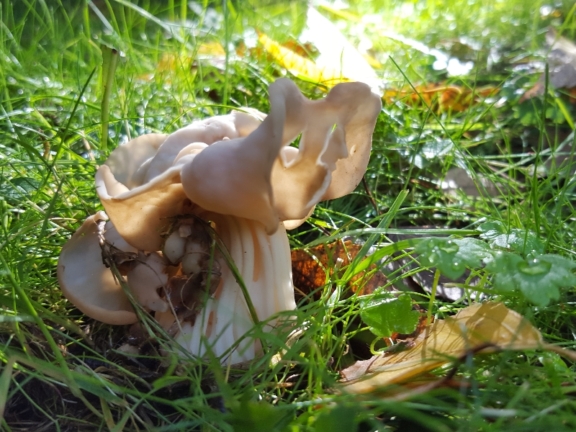
The beginning of autumn is the ideal time to look for mushrooms, these little treasures of forests and gardens. To begin with, discover these five species in the Gulbenkian Garden.