
Black Mulberry
Morus nigra L.
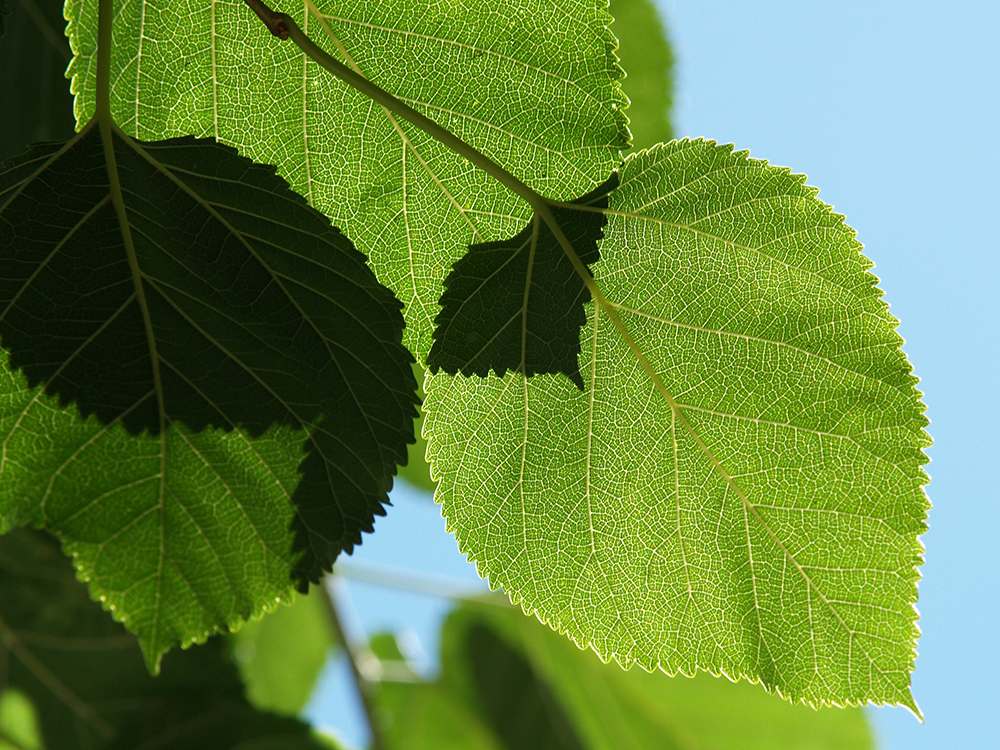
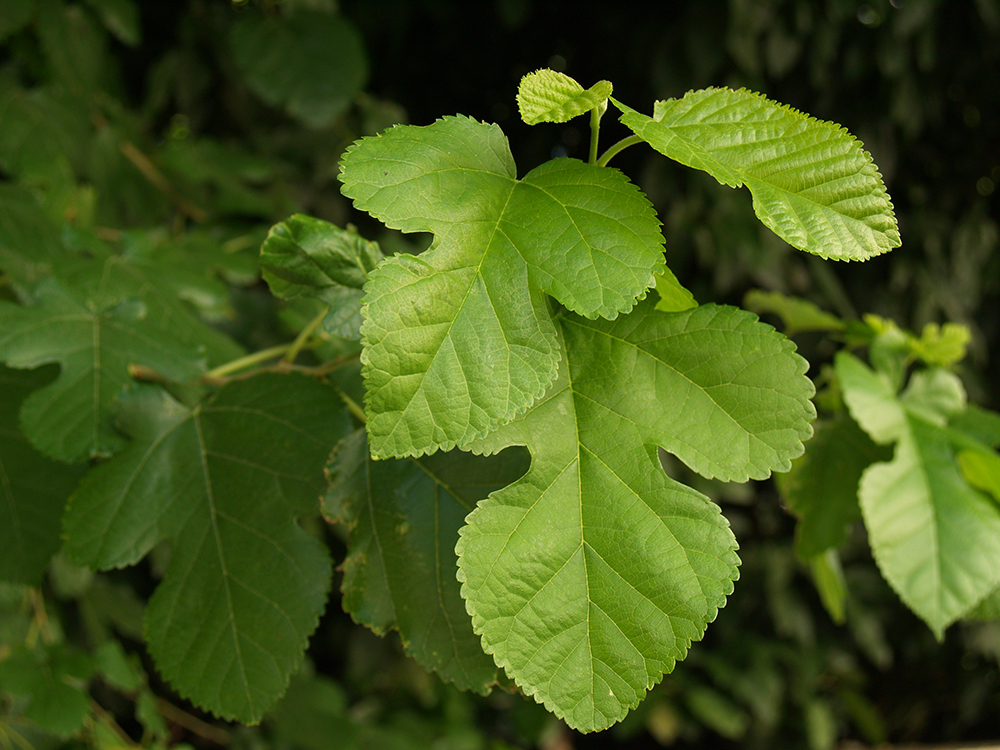
The black mulberry is a deciduous tree that can reach around 12 metres in height. It develops a broad, dense crown, providing much-appreciated shade in gardens and public spaces. The leaves are large, rough, and dark green, turning yellowish in autumn.
Native to western Asia, it has been cultivated for centuries in many regions of the world. It is well adapted to temperate climates and prefers deep, fertile soils with a good water supply, although it becomes a notably resilient tree once established.
Flowering occurs in spring and is followed by the production of abundant fruit throughout the summer. The mulberries, which are from deep red to almost black when ripe, are highly valued by birds and other wildlife, playing an important role in the diet of wildlife.
It is frequently used in gardens, vegetable gardens, and orchards, both for its ornamental value and its tasty fruits. Mulberries can be eaten fresh or used in the preparation of jams, juices, desserts, and other food products.
The fruits are rich in vitamin C and other antioxidant compounds.
The black mulberry is also associated with Greek mythology in the myth of Priam and Thisbe. In Greco-Roman mythology the mulberry tree is dedicated to the goddess Minerva.