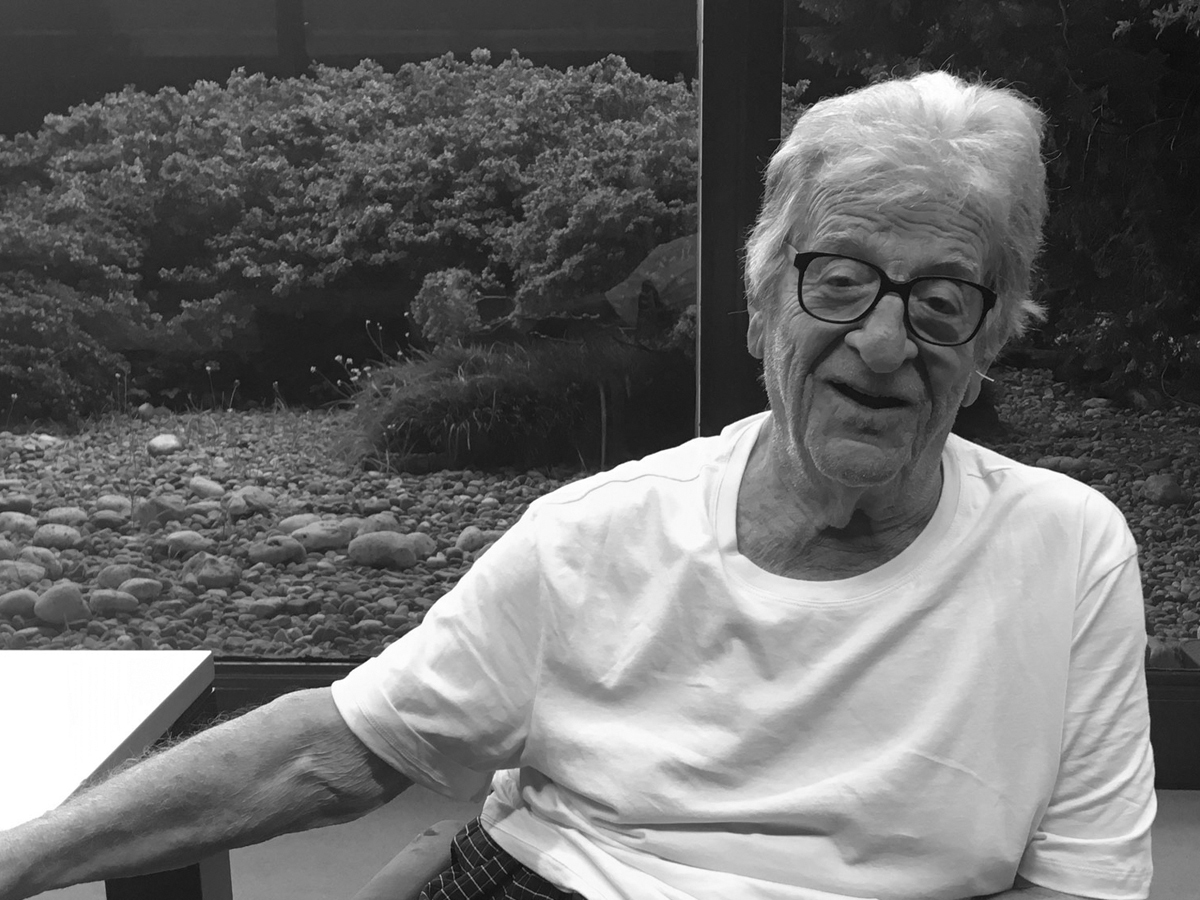
Fernando Lemos (1926-2019)
1940 – 1949
The beginnings of his career in Portugal1943
Fernando Lemos attended the Escola de Artes Decorativas António Arroio between 1938 and 1943, before enrolling at the Sociedade Nacional de Belas Artes to study painting.
He devoted himself intensively to photography between the late 1940s and the early 1950s, photographing intellectuals and artists, some of them linked to the Portuguese surrealist movement, while working as a draughtsman for industrial lithographs and collaborating with poems and illustrations in the five issues of the publications ‘Córnio’ (Unicórnio, Bicórnio, Tricórnio, Tetracórnio, Pentacórnio), founded and edited by José-Augusto França.
1950 – 1959
From Portugal to Brazil1952
Alongside Marcelino Vespeira and Fernando Azevedo, he held a major exhibition of paintings, drawings, objects, collages and photography at Casa Jalco in Lisbon. The following year, he published the series of poems ‘Teclado Universal’ in ‘Cadernos de Poesia’.
1953
Opposed to the Salazar regime, Lemos left Portugal and settled in Brazil, focusing more on drawing and painting, in a non-figurative style. In the same year, he exhibited his photographs at the Museum of Modern Art in São Paulo and the Museum of Modern Art in Rio de Janeiro.
1957
At the 4th São Paulo Biennial, he was honoured as the best Brazilian draughtsman. At this same biennale he came into contact with the work of several Japanese artists, including Yuichi Inoue, who would influence his work as a painter and graphic artist.
1960 – 1969
From Brazil to Japan1960
He married Cláudia Thereza Guimarães de Lemos, with whom he had his children José Augusto, Maria Teresa and Anamaria.
In the early part of the decade he began working in the fields of visual communication and graphic planning, managing the Maitiry creative studio in São Paulo with Décio Pignatari, which brought together professionals from various fields related to communication and graphic arts.
Lemos also taught at the Faculty of Architecture and Urbanism at the University of São Paulo and took part in the 2nd Calouste Gulbenkian Foundation ‘Visual Arts Exhibition’ in Lisbon.
1962
With the writer Sidónio Muralha, he founded the publishing house Giroflé, focused on children’s literature.
1963
Lemos was awarded the ‘Best Book Cover’ and ‘Best Graphic Presentation’ awards at the 2nd International Biennial of Graphic Art in São Paulo, for the children’s book ‘A Televisão da Bicharada’, by Sidónio Muralha.
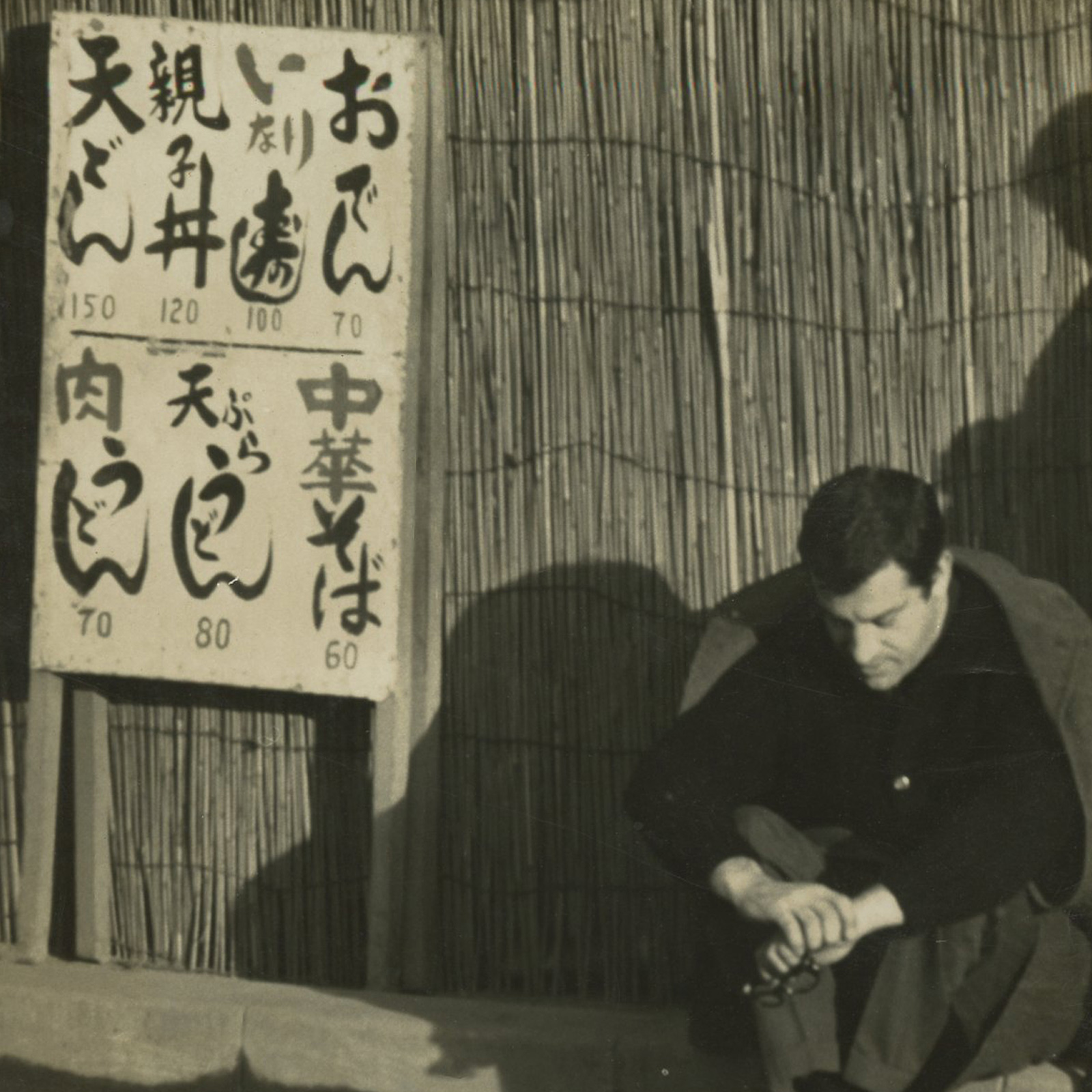
The Calouste Gulbenkian Foundation awarded Fernando Lemos a grant to study writing and calligraphy in Japan, where he visited the studios of local calligraphers.
He took part in a group exhibition at the International Society of Plastic and Audiovisual Arts in Japan.
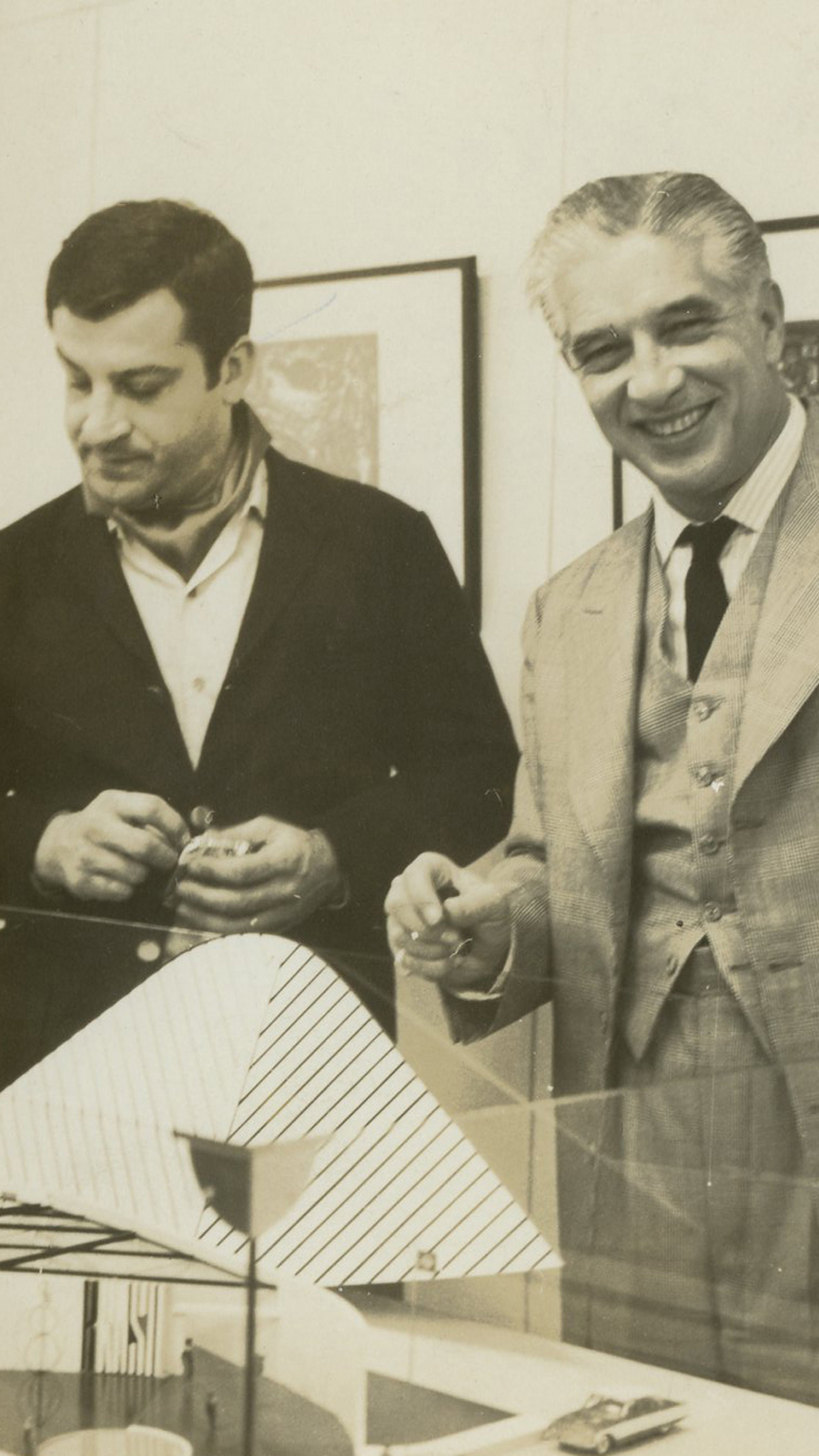
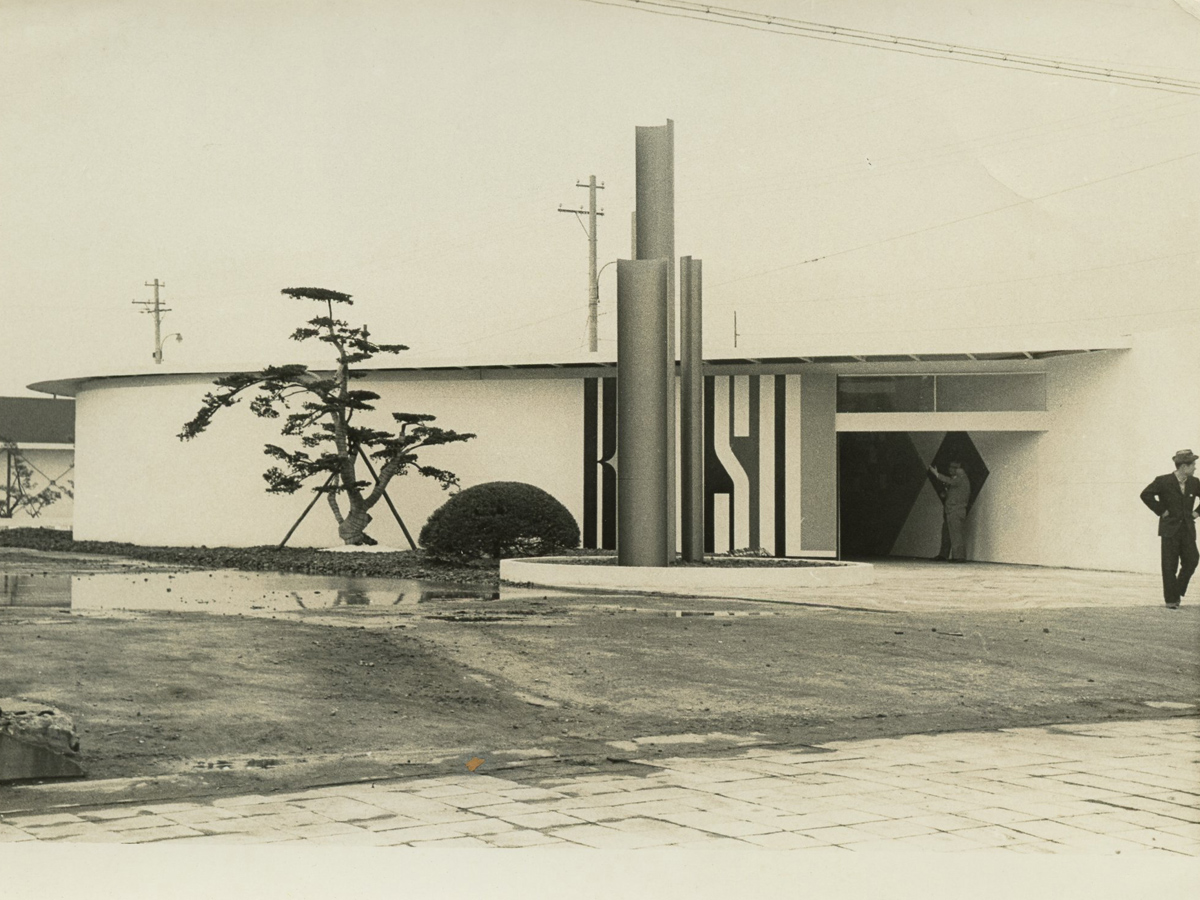
He was invited to take part in the 5th Tokyo International Fair, for which he created the visual design of the Brazilian pavilion, with architectural design by the Portuguese Manuel Kosciusko Correa. As part of the International Fair, he also created all the graphic material to visually identify the VARIG pavilion and the Brazilian Coffee Institute pavilion.
1964
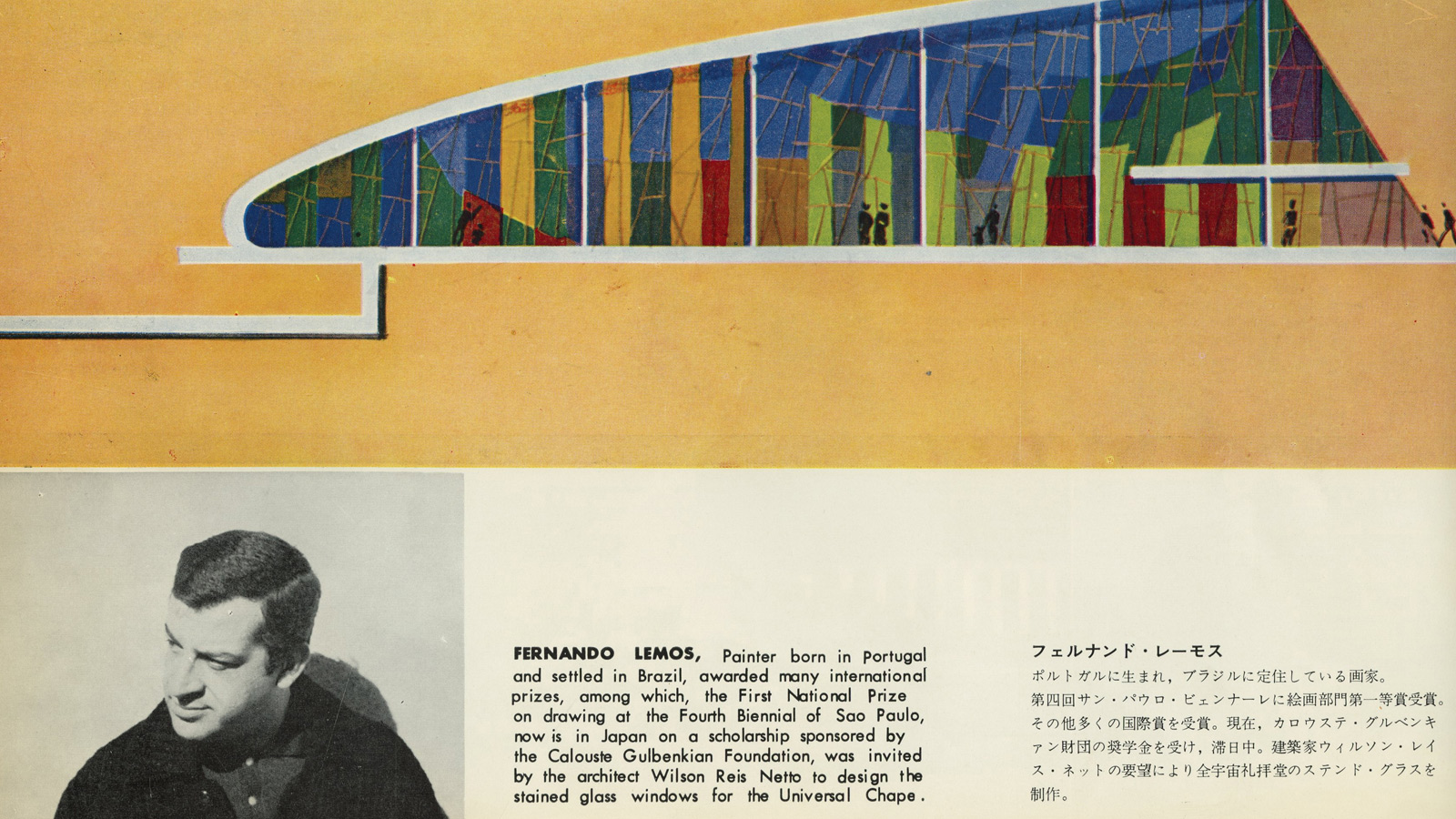
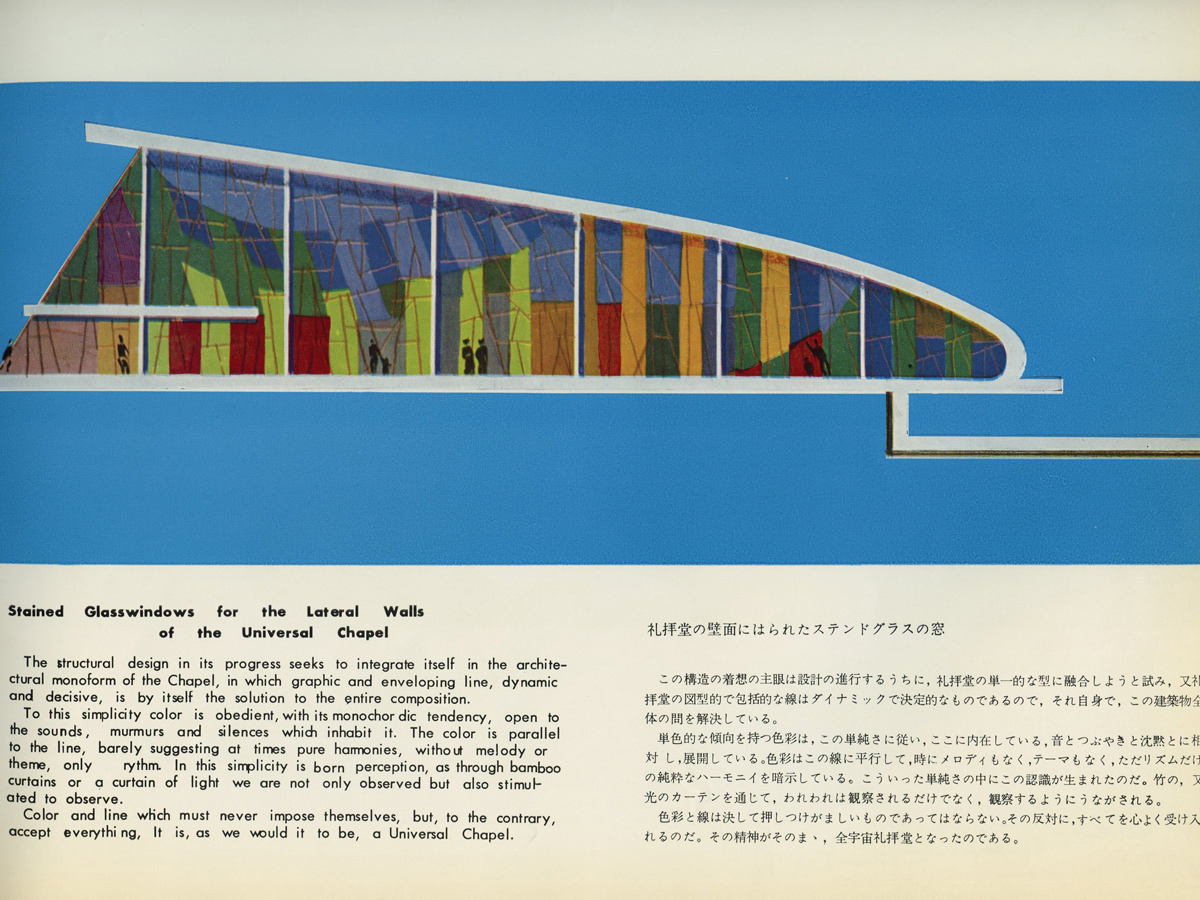
Aware of his interest in Japan, then Brazilian Foreign Minister, Wladimir Murtinho, recommended that Fernando Lemos participate in the project to build a cultural complex in Hakone. Wilson Reis Neto, an architect from Oscar Niemeyer’s studio, and Manuel Kosciusko Correa were also invited. Lemos designed the stained glass windows for the chapel to be built on the site, using the Brazilian Embassy basements as his studio. The governor of Hakone, who had made the complex a political vehicle, was not re-elected, leading to the cancellation of the project.
Later that year, he won the contract to create a tapestry for the TAP (Transportes Aéreos Portugueses) branches in Brazil.
1965
He won the ‘Sala Especial’ prize at the 1965 São Paulo International Biennial for paintings made following his visit to Japan.
1966
Fernando Lemos took part in the Brazil-Japan Colloquium, organised by the University of São Paulo, with the text ‘Plastic and Graphic Structure of Calligraphy’, alongside Brazilian intellectuals, artists and architects such as Walter Zanini, Jean-Claude Bernardet, Ulpiano Toledo Bezerra de Menezes, Julio Katinsky, Júlio Gomes Machado, Aracy Amaral and João Rodolfo Stroeter. The then director of the University of Tokyo, Ren Ito, and the architect Takamasa Yoshizaka also took part.
1968
He began his career as a professor of drawing at the Faculty of Architecture of the University of São Paulo and became president of the Brazilian Association of Industrial Design (ABDI), of which he was a founding member.
1970 – 1979
The influence of Japan1970
He married for the second time in 1970 with Beatrix Overmeer, the mother of his children Rodrigo and Paula.
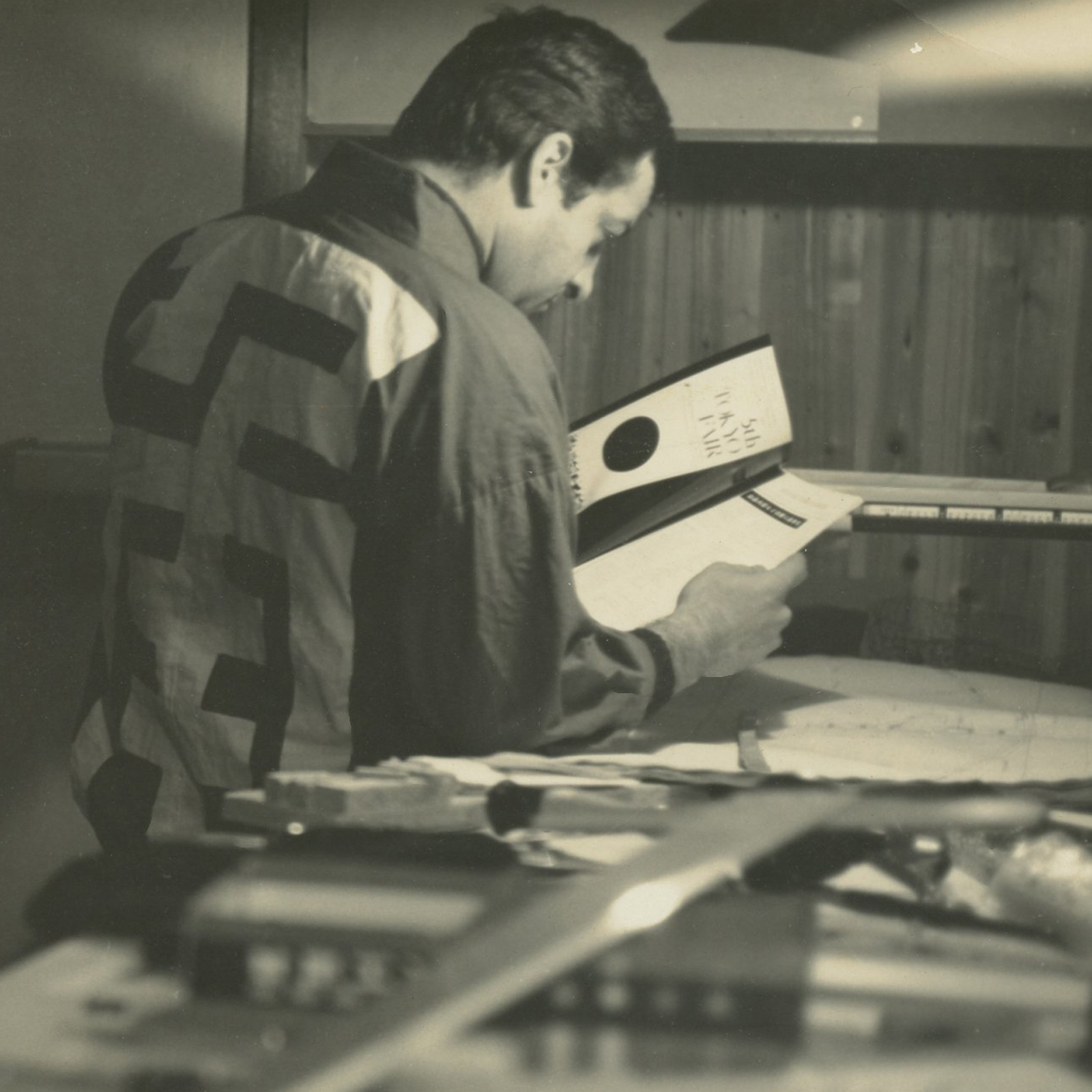
Deeply influenced by Japanese culture, Lemos’ work took on characteristics of oriental calligraphy and thought, reflected in his use of black and white, Indian ink, handmade paper and free brushstrokes.
1975
Together with Maria Eugênia Franco, he helped create the IDART (Department of Artistic Information and Documentation) Research Centre at the Municipal Department of Culture, a pioneering institute in the inventory, research and documentation of Brazilian artistic production.
1977
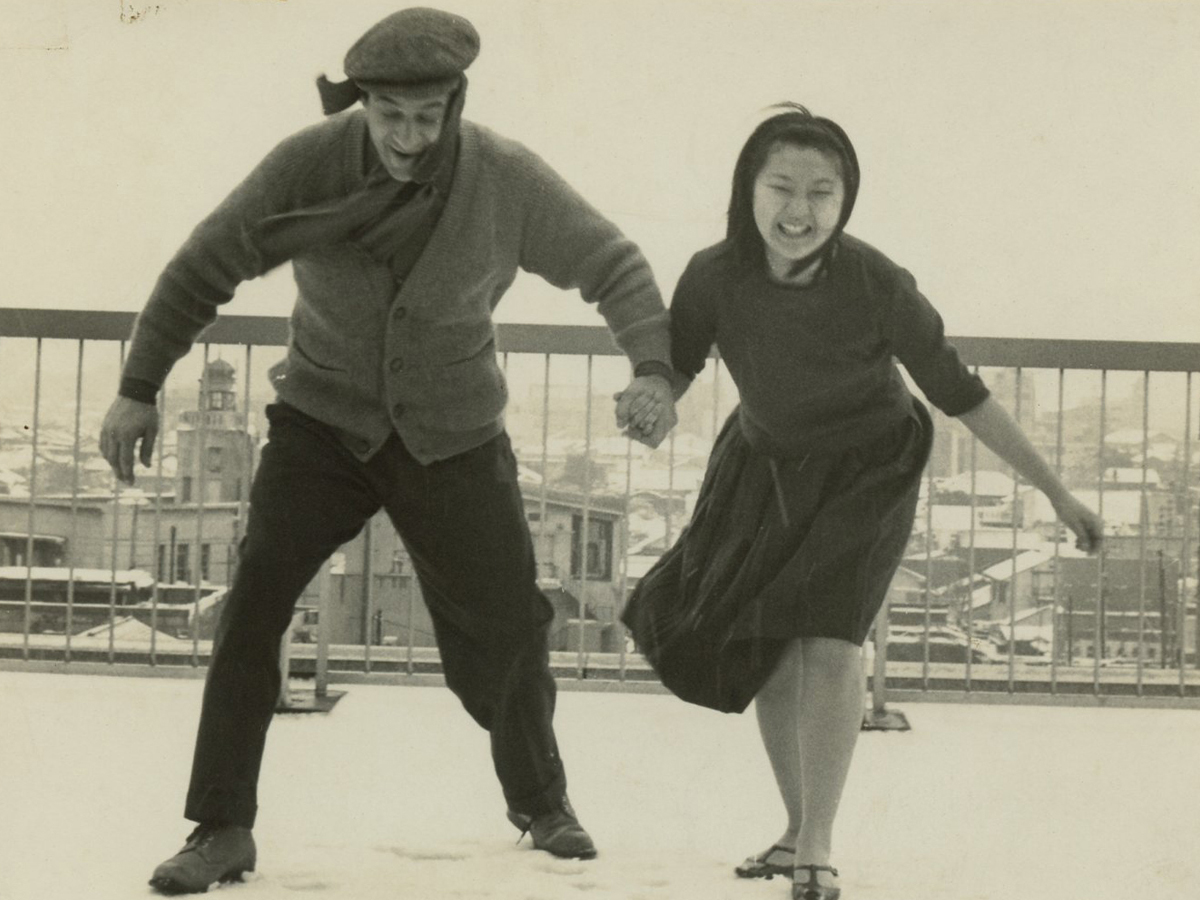
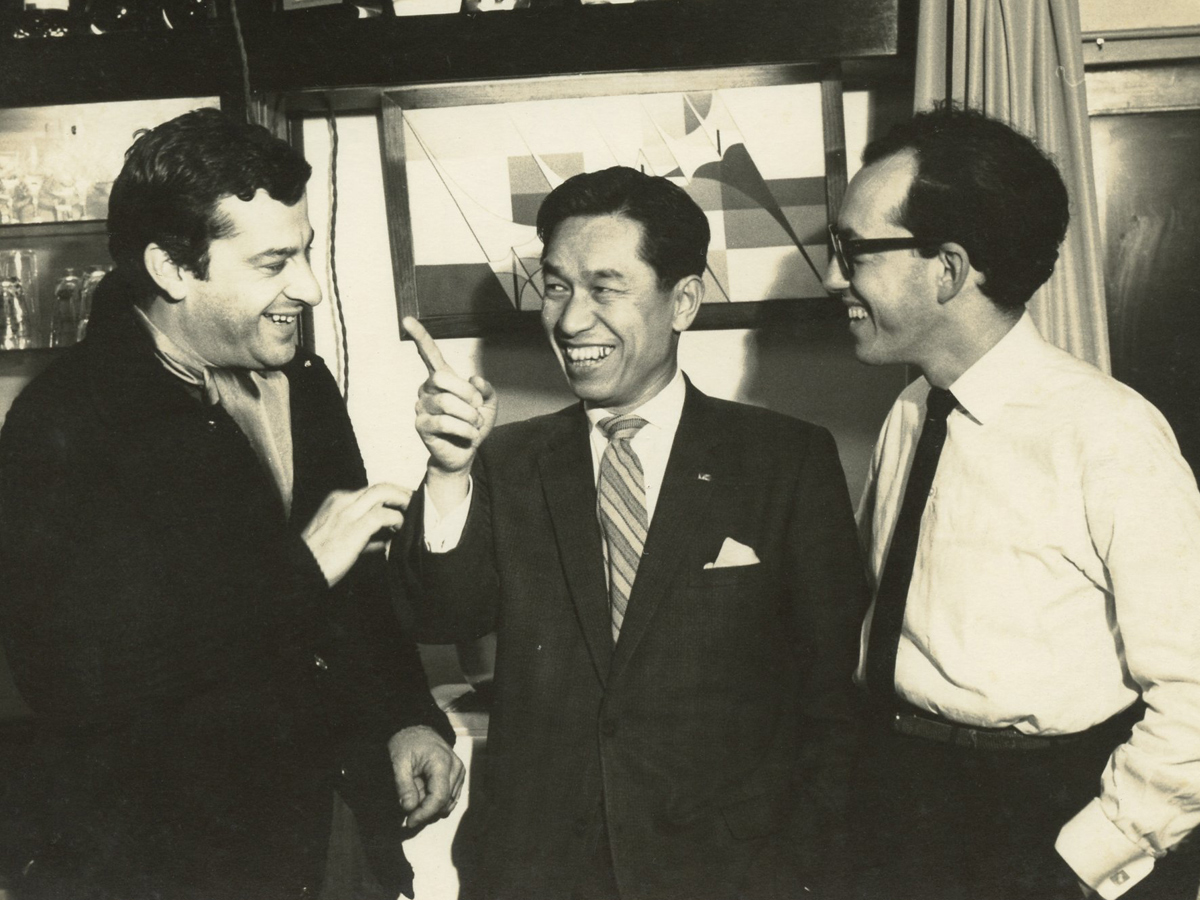
He returned to Japan when invited to take part in the Namban Museum project in Nagasaki, home to the largest collection of works recording the Portuguese passage through Japan. This invitation was made by Mário Soares, who, unable to establish a partnership between the Museums of Japan and Portugal, asked Fernando Lemos for help. Lemos travelled to Tokyo, Kyoto and Nara, accompanied by an interpreter and Agostinho da Silva. Although the project did not go ahead, Lemos managed to visit the Imperial Palace, gaining access to its collection of screens through Carlos Vinholes, Portugal’s Cultural Attaché in Japan.
1980 – 1989
Book of poems1985
He published the poetry book ‘Cá & Lá’, a reprint of ‘Teclado Universal’, originally published in 1953.
1990 – 1999
Retrospective exhibition at CAM: ‘À Sombra da Luz’1994
The Calouste Gulbenkian Foundation’s Modern Art Centre presented the exhibition ‘À Sombra da Luz’, a retrospective of the photographs Fernando Lemos took between 1949 and 1952 before settling in Brazil.
2000 – 2009
Photography exhibition in Brazil2004
The São Paulo Pinacoteca organised the first exhibition of Lemos’ photographs, all of which were previously unseen in Brazil.
2010 – 2019
Retrospectives2010
The exhibition ‘Isto é isto’ at the Arpad Szenes-Vieira da Silva Foundation shows the public the pages of the notebook of the same name (‘Isto é isto’), which brings together 154 drawings by Fernando Lemos. The notebook was a kind of diary in which drawing took centre stage.
2011
The exhibition ‘Lá e Cá’, curated by Vera d’Horta, brought together the various techniques used by the artist in a retrospective at the São Paulo Pinacoteca.
2019
At the invitation of Bárbara Coutinho, director of the Museum of Design and Fashion, the exhibition ‘Fernando Lemos Designer’ was held in Lisbon, the first dedicated to his work in the field of graphic design.
In June, the exhibition ‘Máscaras do Tempo’ opened at Galeria Ratton, dedicated to the tile patterns that Lemos created in 1972 at the invitation of the Brazilian ceramics company São Caetano in São Paulo. In the same month, he opened the exhibition ‘Mais ou Menos’ at Galeria 111, where he exhibited drawings, photographs, postcards and paintings made from the 1940s to the present day.
In October, Sesc Bom Retiro in São Paulo held the retrospective ‘Fernando Lemos: mais a mais ou menos’, curated by Rosely Nakagawa, bringing together various aspects of his work in poetry, graphic design, painting and photography.
A large part of his collection of photographs and graphic designs, including prints and illustrations, were transferred to the Moreira Salles Institute.
Fernando Lemos died in December 2019 in São Paulo, aged 93.