
Jacob Kirkegaard. Testimonium
Event Slider
Date
- Sat,
- Closed on Tuesday
Location
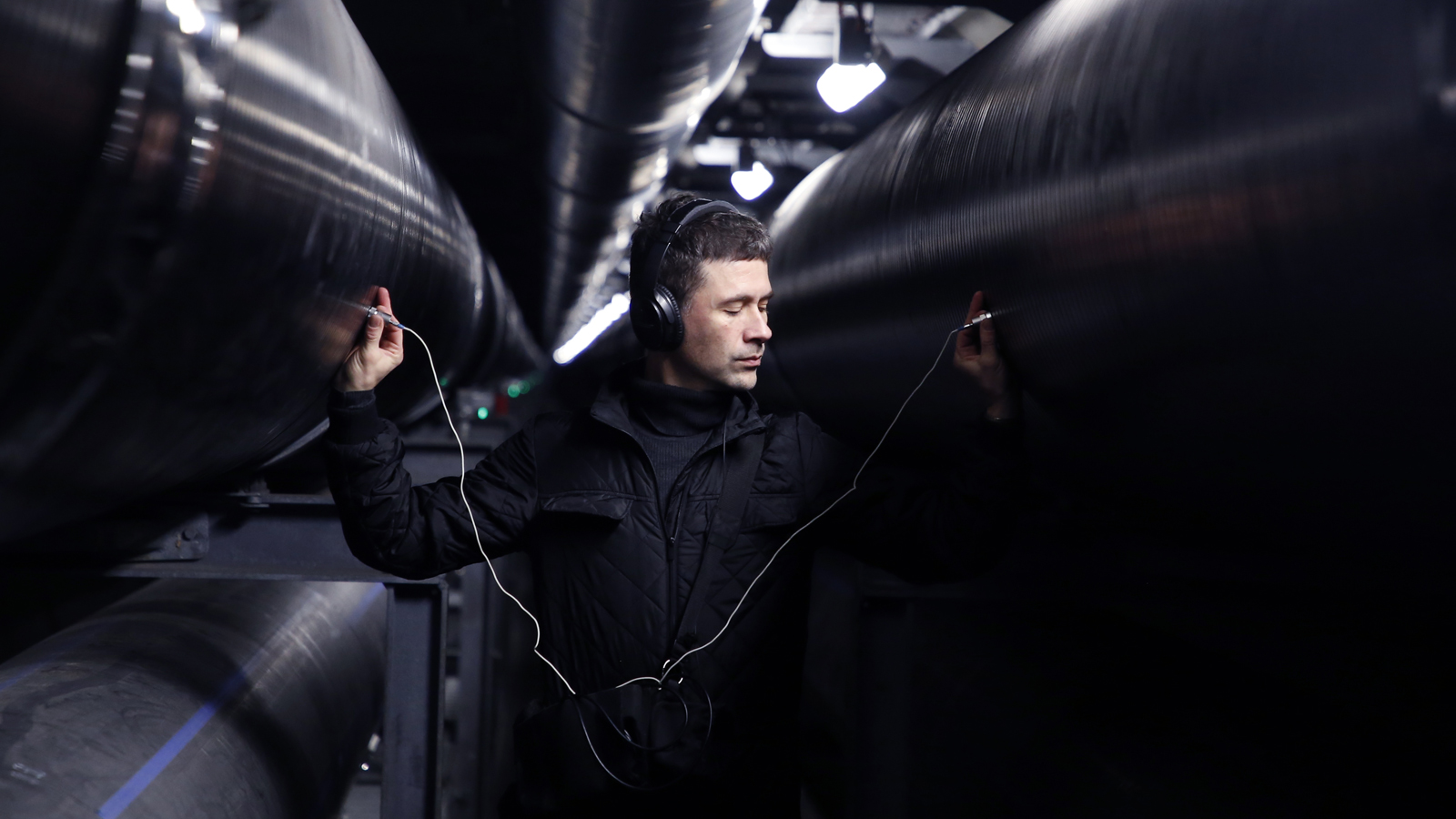
Sound Room Centro de Arte Moderna GulbenkianJacob Kirkegaard (Denmark, 1975) is a sound artist who researches the potential musicality of layers of sound in complex environments. His works approach themes such as radioactivity in Chernobyl, the thawing of the Arctic, border walls in global and metaphorical contexts, immersive acoustic explorations in global waste management and processes related to the death of a human being.
‘Testimonium’ is part of ‘(de)composition’, a sound art programme curated by Raquel Castro that emerges as an artistic response to the growing waste crisis, inviting the public to reflect on human existence in a world of consumption and discarding. It explores not just physical waste, but also everything that it symbolises: excessive consumption, social invisibility (the waste itself and those who deal with it are frequently ignored) and the urgent need for a shift in mindsets. The title plays with the tension between composition – which combines and organises elements – and decomposition – which disintegrates and transmutes.
‘Testimonium’ allows us to hear the physical and choreographed essence of everything we throw away. It captures sounds and vibrations from plastics, glass, metals and wastewater with sensors, hydrophones and microphones tuned into the din produced by these materials. The result is a rich and moving portrait of the detritus of modern civilisation – an astonishing testimony of that which is abandoned and, sometimes, recovered.
The project has recorded waste streams and their management systems in countries including Denmark, Latvia, Estonia, Greenland, Greece, South Africa and Kenya, exploring landfills, recycling centres and wastewater.
In Lisbon, the research continues with this work, which listens to the journeys waste takes in the Portuguese capital and the mechanisms that transform it. Inspired by the work of John Cage, ‘Testimonium’ calls for a change of attitude: listening to the environment opens the mind so that we can ‘appreciate’ and act upon aspects that we regarded as merely uncomfortable before.
On 31 January, there will be a conversation between the artist and the curator Raquel Castro, and a performance composed by Jacob Kirkegaard, in collaboration with the Portuguese sound artists Clara Saleiro and Ravenna Escaleira, that extends the sound installation into the performance space.
Biographies
-
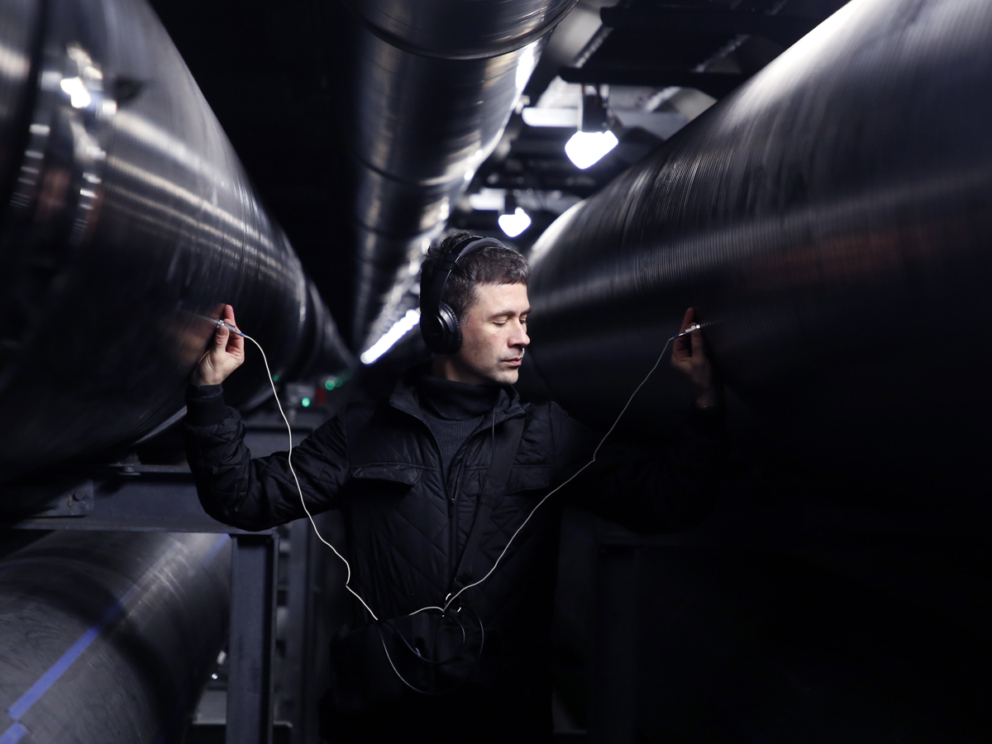
Jacob Kirkegaard
Jacob Kirkegaard (Denmark, 1975) is a sound artist who explores ways to reflect on complex, unnoticed or unapproachable conditions and environments. His works have treated themes such as radioactivity in Chernobyl, melting ice in the Arctic, border walls in global and metaphorical contexts, immersive acoustic explorations into global waste management, and processes related to when a human being dies.
Since 2006 Kirkegaard has also been extensively researching, recording and creating works using otoacoustic emissions; tones generated from the actual human ear. The core element and method of Jacob Kirkegaard’s work derive from the use of sound recordings of the tangible aspects from its intangible themes. -
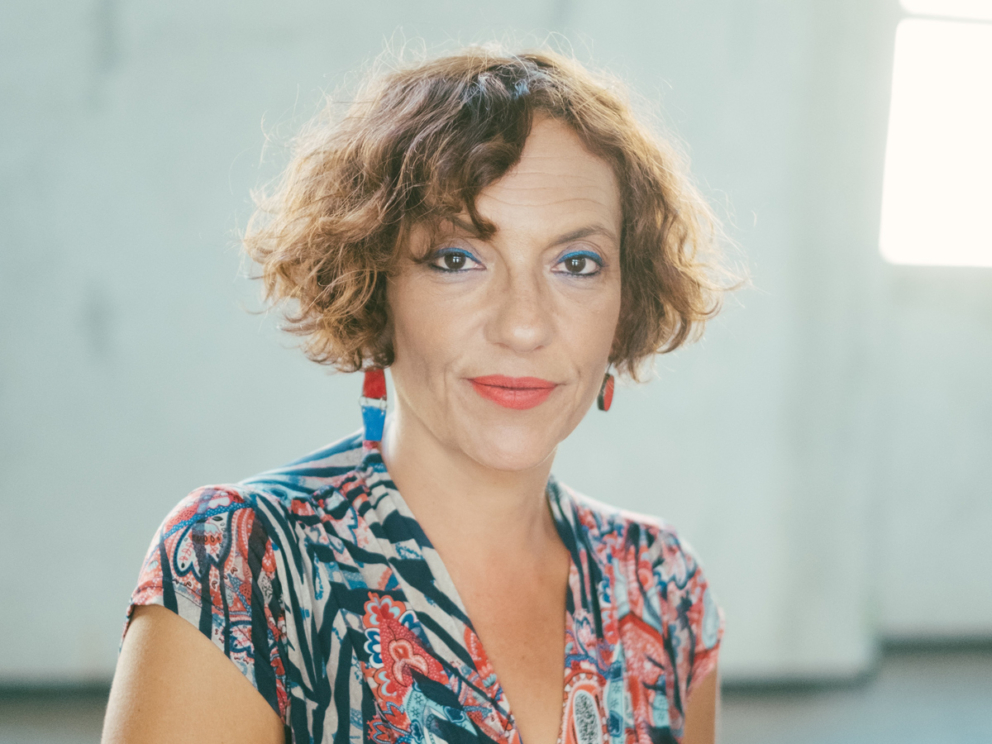
Raquel Castro
Raquel Castro is a researcher, curator and director. Founder and director of Associação Sonora, the Lisboa Soa festival and the Invisible Places symposium, she holds a PhD in Communication and Arts and teaches Sound Sciences and Technologies at Universidade Lusófona de Lisboa. Over more than two decades, through her curatorial work in numerous exhibitions and the production and direction of several documentaries, she has developed a unique and independent career. Castro explores the relationship between sound art, ecology and public space and investigates the social and political dimensions that emerge through the practice of listening.
Credits
Curator
Raquel Castro (Associação Sonora/Festival Lisboa Soa)
Partnership
The Calouste Gulbenkian Foundation reserves the right to collect and keep records of images, sounds and voice for the diffusion and preservation of the memory of its cultural and artistic activity. For further information, please contact us through the Information Request form.