
a selection of works from the collection by leonor antunes
Event Slider
Date
- Sat,
- Closed on Tuesday
Location
Mezzanine Centro de Arte Moderna GulbenkianPricing
Free – Under 18
25% – Under 30
10% – Over 65
Cartão Gulbenkian:
Free – Under 30, saturdays,
18:00 – 21:00
50% – Under 30
20% – Over 65
10% – 30 to 64
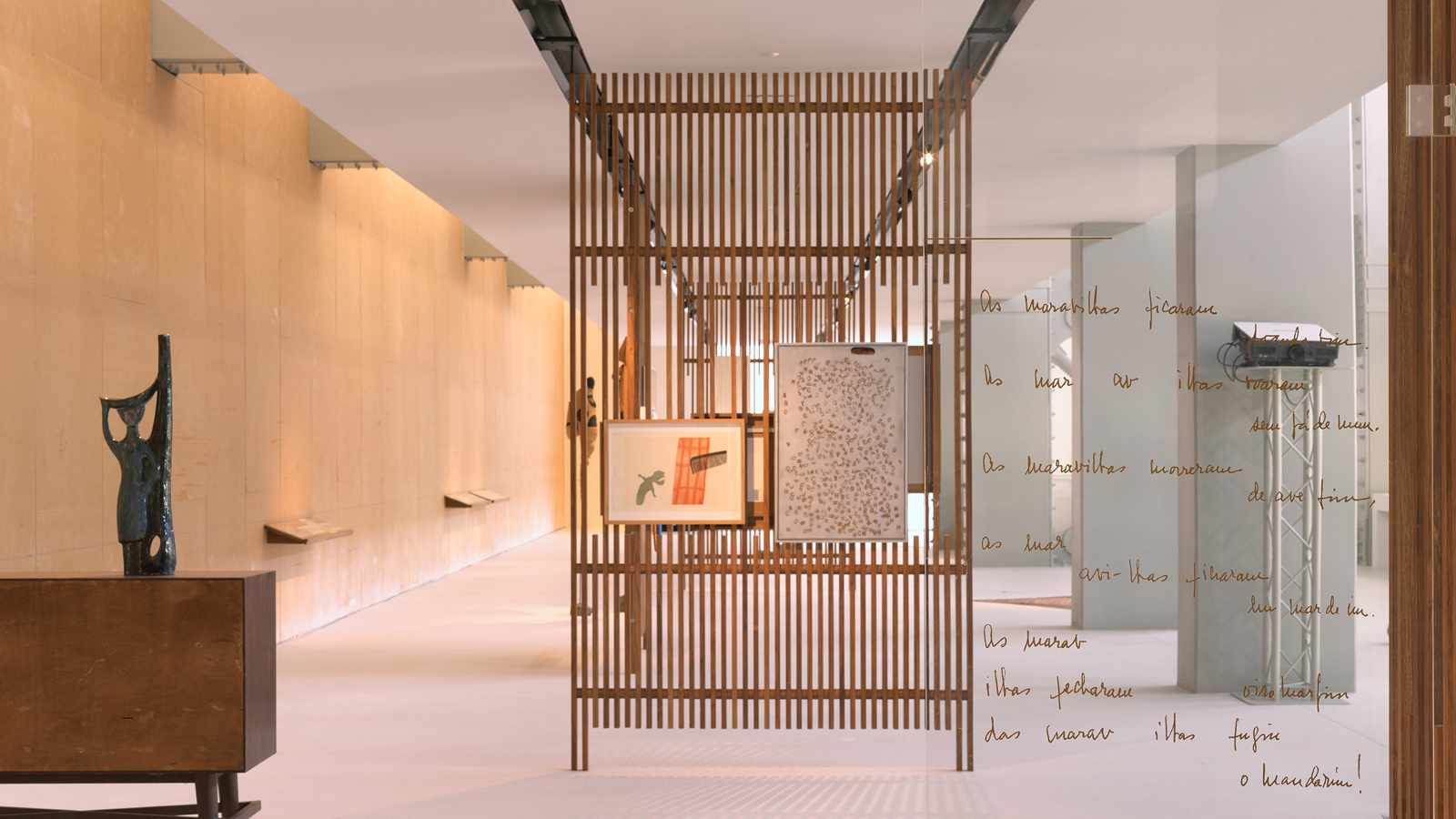
With a look that values the unexpected formal relationships and the dialogue and parity between the artists’ works, Leonor Antunes selected 52 works from the CAM Collection and five on loan – the drawing scores by composer Éliane Radigue, Guida Fonseca’s textile objects, Maria Keil’s bureau and Emily Wardil’s work on marbled paper.
In a chronology that dates from the 1930s to the present day, Leonor Antunes’ choices include well-known artists such as Ana Vieira, Helena Almeida and Maria Helena Vieira da Silva, and also artists whose work has been less seen, such as Noélia de Paula, Marina Mesquita and Maria Antónia Siza. The selection covers different techniques such as video (Grada Kilomba), printmaking (Luísa Correia Pereira), textiles (Maria Antónia Siza), painting (Amelia Toledo), sculpture (Isabel Laginhas) and drawing (Eugénia Mussa).
Most of the works that have now been added to the exhibition, which opened in the context of the exhibition ‘Leonor Antunes. the constant inequality of leonor’s days*’, are by the artists Ana Hatherly and Luísa Correia Pereira.
The space features the longitudinal wall of the gallery intentionally unfinished and ‘raw’, and the six panels of slatted wood – ‘voilettes’ – on which Leonor Antunes suspended the artworks. These displays are a reappropriation of Charlotte Perriand’s reticulated façade, designed for the Japanese ambassador’s residence in Paris in the 1960s, while revisiting the modern exhibition design solutions of Franco Albini/Franca Helg and Lina Bo Bardi.
Biographies
-
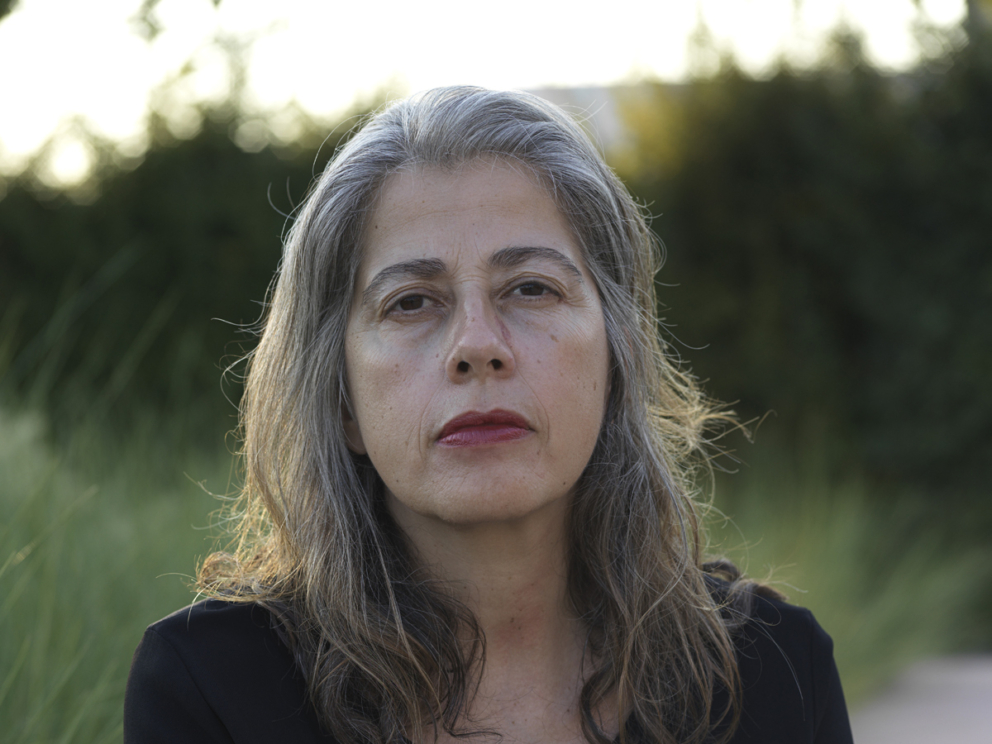
Leonor Antunes
Leonor Antunes (Lisbon, 1972) is an artist whose practice is inspired by important figures in the realm of creation in the 20th century, and often influenced by female protagonists. Her work begins by measuring features of architecture and design that interest her. She then uses these measurements as units which can be translated into sculpture. Embracing traditional craftsmanship from around the world, she employs materials such as rope, leather, cork, wood, brass, and rubber to create unusual forms. Antunes represented the Portuguese Pavilion at the Venice Biennale, Italy, in 2019. Her solo exhibitions have been shown in countries such as Portugal, Luxembourg, Brazil, Mexico, Italy, UK, USA, and Spain.
Photo: © Nick Ash
Credits
Curatorship
Leonor Antunes
Main image
© Nick Ash
The Calouste Gulbenkian Foundation reserves the right to collect and keep records of images, sounds and voice for the diffusion and preservation of the memory of its cultural and artistic activity. For further information, please contact us through the Information Request form.